
Rule 1
Top to bottom
We start with the highest practical surfaces and work downward, so dust released from a fan, shelf, or frame can be collected later instead of falling onto finished areas.
How We Clean / Dusting
Microfiber collects the dust. A consistent room order keeps it moving toward surfaces that have not been finished yet.
The cloth comes first. Then our teams work room by room: top to bottom, walls to center, and left to right.
How our teams dust
One tool. Three rules.
The tool
Microfiber cloth
Rule 1
Top to bottom
Rule 2
Walls to center
Rule 3
Left to right
The cloth comes first. The room order keeps dust moving toward surfaces that have not been finished yet.
The tool
Microfiber is not just a finer rag. The fibers are about 1/16 the thickness of a human hair, fine enough to reach into the surface pores a cotton rag skates over, and they carry a positive charge that pulls in negatively charged dust. The dust ends up locked in the cloth instead of pushed into the air. That difference is why hospitals switched, and why we did.
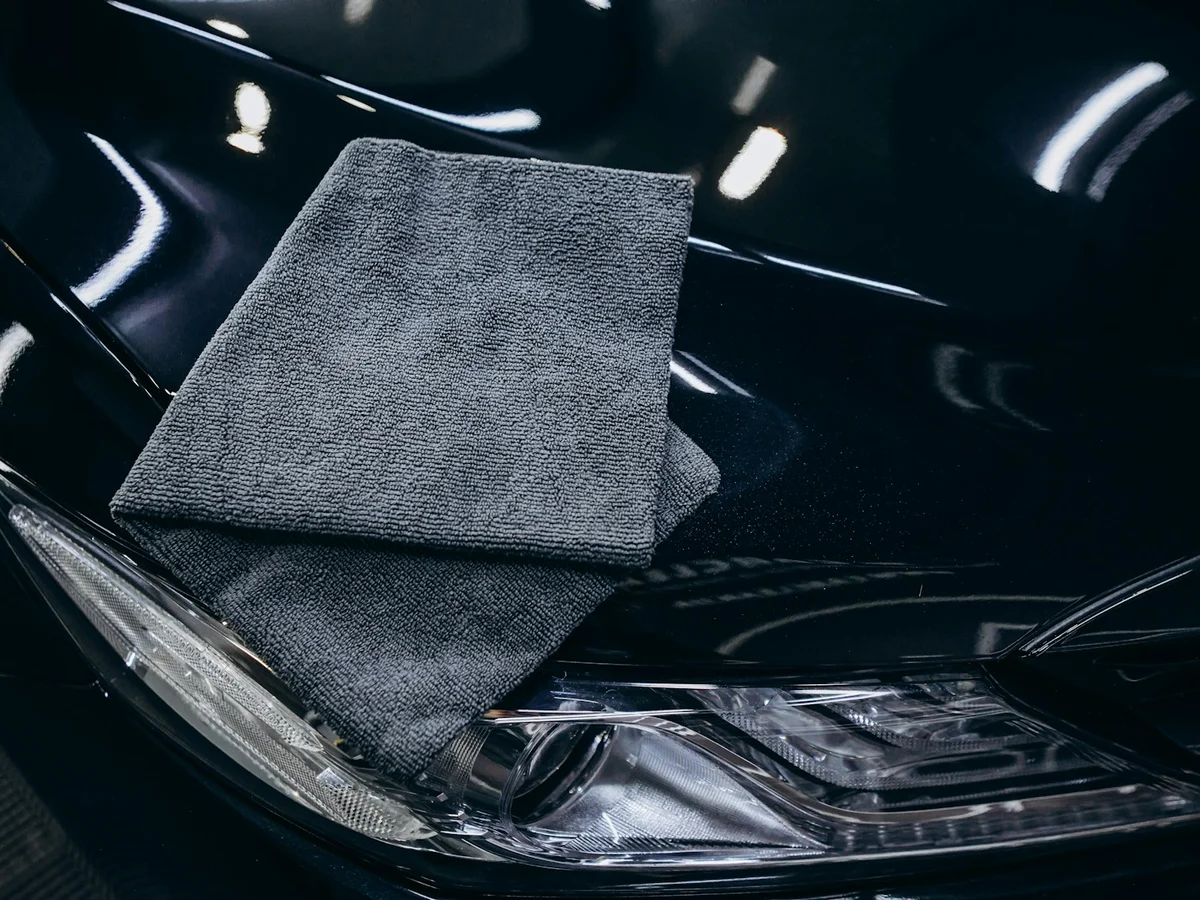
Microfiber cloth
Dense, fine synthetic fibers designed to collect and hold dust.
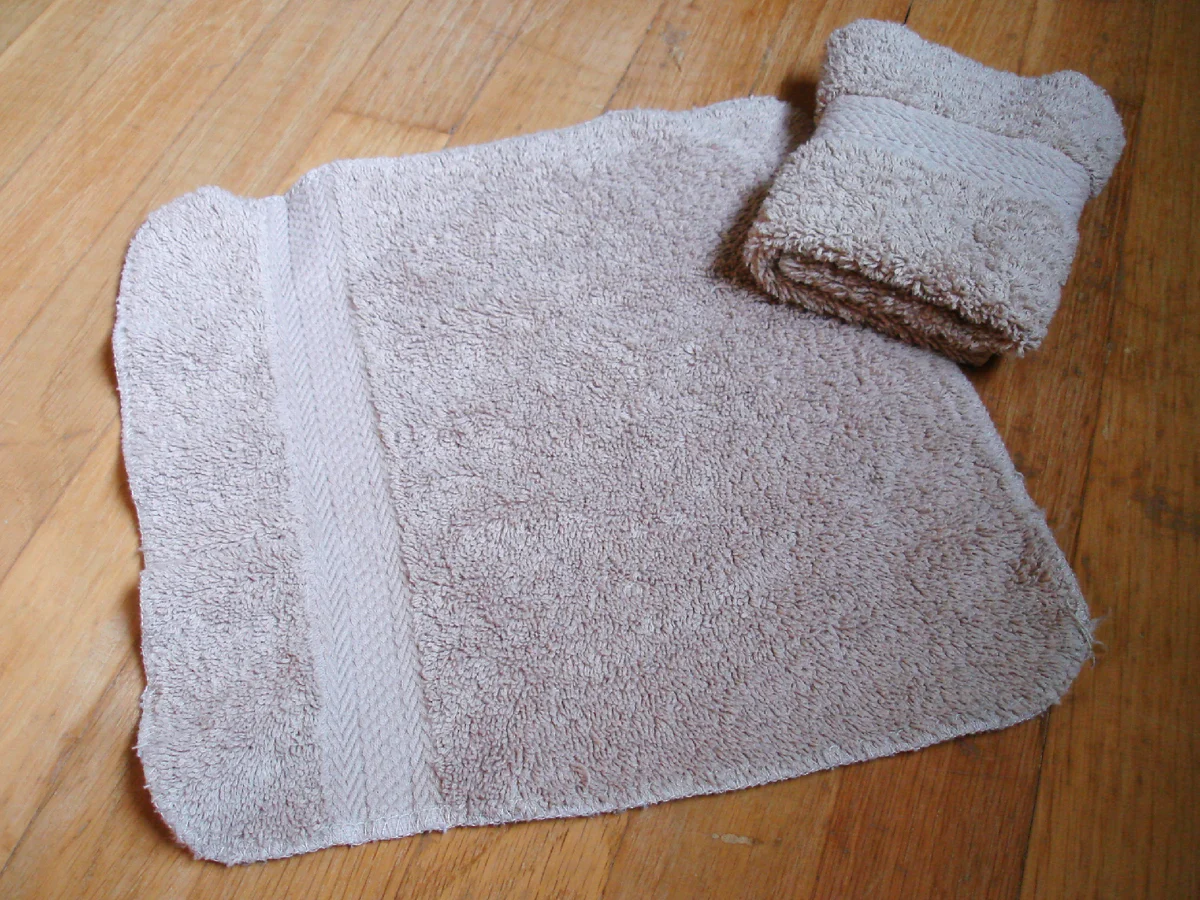
Cotton terry rag
Familiar cotton loops, but not the cloth our teams use for dusting.
The sequence is repeatable on purpose. It helps the team track what is complete and keeps newly released dust moving toward surfaces that have not been finished yet.
We start with the highest practical surfaces and work downward, so dust released from a fan, shelf, or frame can be collected later instead of falling onto finished areas.
We begin at the room’s perimeter and work inward. The consistent path makes the room easier to track and reduces skipped areas.
Within each zone, we move in one direction around the room so every cleaner knows what is finished, where work stopped, and what comes next.
Ceiling fans are included in every MoreHands cleaning service. Blinds are available as an add-on, along with baseboard cleaning.
Light airborne particles can settle after the team leaves, especially when fans or HVAC equipment are running. If a noticeable layer returns within 24–48 hours, look at the air filter, vents, returns, and nearby sources of fine particles—not only the surfaces that were dusted.
We move smaller items—such as knickknacks and objects on bookshelves, bathroom counters, and bedside tables—so we can dust the item and the surface underneath. We do not move furniture. Furniture moving falls outside the scope of regular cleaning and can require separate handling.
It can. Texas pollen and outdoor soil can enter through doors, windows, pets, clothing, and small air leaks. Because different plants pollinate at different times, outdoor particles can contribute to indoor dust through much of the year.
Microfiber does the collecting. The same three rules guide the room: start high, work from the walls inward, and move in one direction until the dusting sequence is complete.
Starting at $149 per visit · Quote in about 90 seconds · No credit card required